Understanding Pack Dynamics


When it comes to dog hiking, the experience goes far beyond just walking along a trail. The way dogs interact in a group, or pack, shapes the entire adventure. This is why many experienced dog hiking groups recommend spending at least two days on pack hikes instead of just a single day. The extended time together allows dogs to build stronger bonds, learn social cues, and develop trust, which makes every all day adventure safer and more enjoyable for everyone involved.
What Are Pack Dynamics in Dog Hiking?
Pack dynamics refer to the social structure and interactions within a group of dogs during activities like pack walks or pack hikes. Dogs are naturally social animals, and when they come together in a group, they establish roles, boundaries, and communication patterns. These dynamics influence how well the group functions and how individual dogs behave.
In a pack hike, dogs learn to read each other's body language, respect personal space, and cooperate during the walk. This social learning is crucial because it reduces conflicts and stress, making dog hiking a positive experience.
Key Elements of Pack Dynamics
Hierarchy: Dogs often establish a loose hierarchy, with some taking on leadership roles while others follow. This helps maintain order.
Communication: Dogs use body language, vocalizations, and scent to communicate intentions and emotions.
Social Bonds: Over time, dogs form friendships and alliances that make the group more cohesive.
Conflict Resolution: Dogs learn to resolve disagreements through non-aggressive signals or brief confrontations.
Understanding these elements helps handlers manage pack hikes more effectively and ensures the safety and happiness of all dogs.
Why One-Day Pack Walks Are Not Enough
Many dog owners might think a single all day adventure is enough to enjoy the benefits of dog hiking. While a one-day pack walk can be fun, it often does not provide enough time for dogs to fully adjust to each other and develop strong social bonds.
In a one-day hike, dogs may still be figuring out their place in the group, which can lead to tension or misunderstandings. Without enough time to settle into the pack, some dogs might feel anxious or act out, which can disrupt the experience for everyone.
The Benefits of Two-Day Pack Hikes
Extending pack hikes to two days or more offers several advantages that improve the overall experience for dogs and their handlers.
1. Stronger Social Bonds
Spending more time together allows dogs to build trust and friendships. Just like people, dogs need time to get comfortable with new companions. On a two-day hike, dogs have the chance to interact during rest breaks, meals, and overnight stays, which deepens their connections.
2. Better Understanding of Pack Roles
Dogs learn their roles within the group more clearly over time. Leaders emerge, followers settle in, and the pack finds a rhythm. This clarity reduces confusion and helps dogs cooperate during the hike.
3. Improved Behavior and Safety
With stronger bonds and clearer roles, dogs are less likely to show aggression or anxiety. This makes dog hiking safer for all participants. Handlers can also better predict and manage behavior when the pack is stable.
4. Enhanced Physical and Mental Stimulation
Two-day hikes provide more sustained physical exercise and mental challenges. Dogs explore new environments, navigate trails, and engage with their pack, which supports their overall well-being.
5. Opportunity for Handlers to Observe and Adjust
Handlers can observe how dogs interact over time and make adjustments to the group or the hike plan. This ongoing assessment helps prevent problems before they arise.
Practical Tips for Organizing Two-Day Pack Hikes
If you’re considering organizing or joining a two-day pack hike, here are some practical tips to make the experience successful:
Choose a Suitable Location: Pick a trail with safe camping or resting spots where dogs can relax comfortably overnight.
Plan Rest Periods: Schedule breaks to allow dogs to socialize and rest, which supports positive pack dynamics.
Monitor Dog Interactions: Watch for signs of stress or conflict and intervene early if needed.
Keep Groups Small: Smaller packs (6-8 dogs) are easier to manage and help maintain harmony.
Communicate with Handlers: Ensure all participants understand pack behavior and safety protocols.
Real-Life Example of Two-Day Pack Hikes
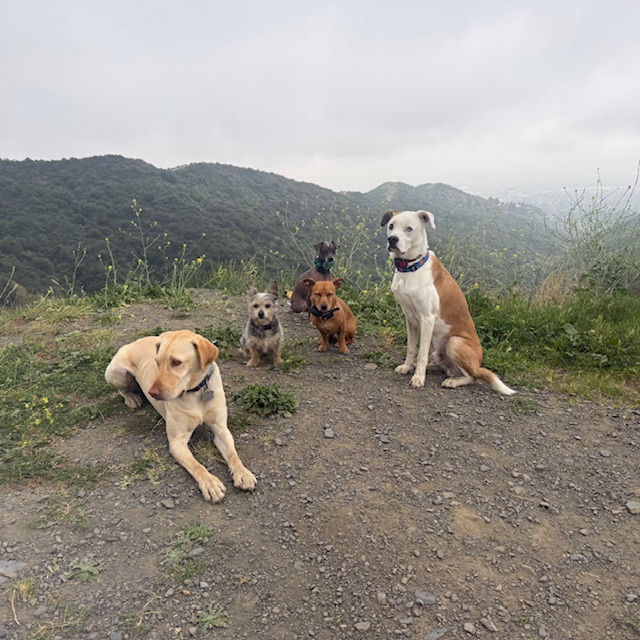
In one dog hiking group, we noticed that during their first one-day pack walk, some dogs were hesitant and kept to themselves. After switching to two-day pack hikes, the same dogs began to engage more actively with others, showing playful behavior and following pack leaders confidently. The we can confidently report that there are fewer incidents of barking or tension, and the dogs appeared more relaxed and happy.
This example highlights how time and shared experiences strengthen pack dynamics and improve the quality of dog hiking adventures.


Comments